Liftoff Program: Transforming Progress Learning in K–12 Education

In many classrooms today, teachers face a common challenge students are not all at the same learning level. Some move ahead quickly, while others struggle with foundational skills. This gap can slow down teaching and impact overall student progress.
The Liftoff Program is designed to solve this problem through progress learning, a method that focuses on continuous improvement rather than one-time results. Instead of pushing all students through the same pace, it helps each learner grow based on their current level.
In this article, we’ll explore how the Liftoff Program works, why it matters in K–12 education, and how it can transform academic growth for students, teachers, and schools.
What Is the Liftoff Program in Progress Learning?
The Liftoff Program is an adaptive learning solution built to support students who are below grade level. It uses progress learning principles to identify learning gaps and provide targeted instruction.
Rather than focusing only on grades, the program tracks how students improve over time. It uses assessment tools and personalized pathways to guide each student step by step.
Key Features of the Liftoff Program
- Adaptive lessons based on student ability
- Continuous monitoring of student progress
- Personalized learning paths
- Data-driven teaching insights
- Focus on foundational skills
This approach ensures that students don’t just move forward they truly understand what they are learning.
Why Progress Learning Is Essential in the Liftoff Program
At its core, the Liftoff Program is built around progress learning. This means the focus is not on finishing the syllabus quickly, but on ensuring real understanding.
1. Focus on Individual Growth
Every student learns at a different pace. Progress learning allows teachers to track each student’s improvement and adjust instruction accordingly.
2. Early Identification of Learning Gaps
The program identifies weak areas early. For example, if a student struggles with reading comprehension, targeted activities are introduced immediately.
3. Continuous Feedback Loop
Students receive regular feedback, which helps them improve faster. Teachers can also adjust their methods based on real-time data.
Benefits of the Liftoff Program for Students, Teachers, and Schools
For Students:
- Builds confidence through measurable academic growth
- Provides personalized learning experiences
- Helps master foundational concepts
- Encourages consistent improvement
For Teachers:
- Clear insights into student progress
- Saves time with automated tracking
- Supports better lesson planning
- Enables targeted interventions
For Schools:
- Improved overall learning outcomes
- Data-driven decision-making
- Better academic performance across grades
- Stronger parent communication
The Liftoff Program creates a balanced system where every stakeholder benefits.
How the Liftoff Program Supports Personalized Learning
One of the strongest aspects of the Liftoff Program is its focus on personalized learning.
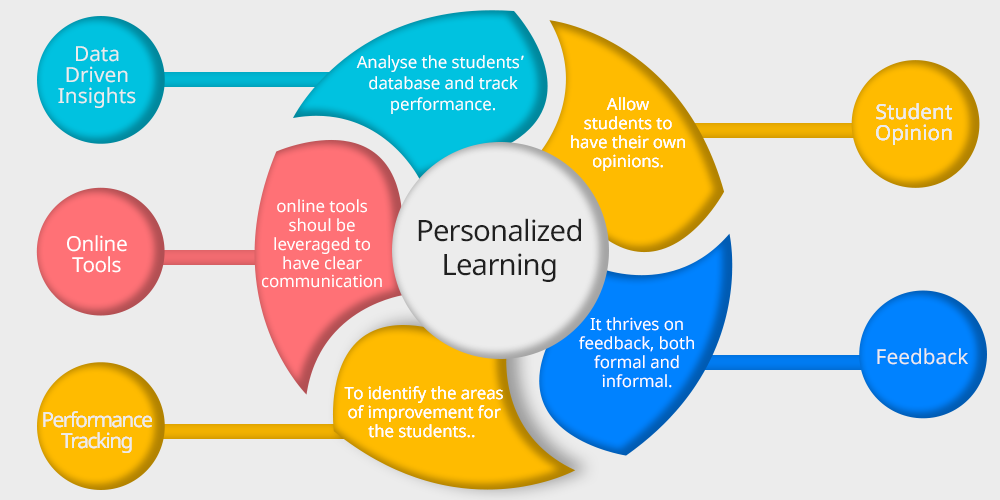
Instead of teaching the same lesson to all students, the program adapts content based on individual performance.
How It Works:
- Students take a diagnostic assessment
- The system identifies their current level
- Lessons are adjusted based on their needs
- Progress is tracked continuously
This ensures that:
- Struggling students get extra support
- Average students stay on track
- Advanced students are challenged
Personalized learning leads to better engagement and improved results.
Practical Strategies to Implement Liftoff Program in Classrooms
Even though the Liftoff Program is structured, teachers play a key role in its success. Here are some practical strategies:
1. Start with Baseline Assessments
Before beginning, assess where students stand. This helps in setting realistic goals and tracking improvement.
2. Use Data to Guide Instruction
Teachers should regularly review performance data. This helps in identifying trends and making informed decisions.
3. Create Flexible Learning Groups
Group students based on their skill levels. This allows for targeted teaching and better engagement.
4. Encourage Consistent Practice
Daily or weekly practice sessions help reinforce learning. Small, regular efforts lead to significant improvement.
5. Communicate with Parents
Keep parents informed about their child’s progress. This builds trust and encourages support at home.
Tools and Methods Used in the Liftoff Program
The Liftoff Program uses a mix of digital and instructional tools to track student progress.
Digital Tools:
- Adaptive learning platforms
- Real-time dashboards
- Automated assessment systems
Instructional Methods:
- Guided practice sessions
- Teacher-led interventions
- Progress monitoring reports
These tools make it easier to measure learning outcomes and ensure continuous improvement.
Real World Classroom Example
Consider a middle school classroom where students are struggling with math basics.
The teacher introduces the Liftoff Program and starts with a diagnostic test. The results show:
- 40% of students are below grade level
- 35% are at grade level
- 25% are above grade level
Using progress learning, the teacher:
- Assigns personalized lessons to each group
- Tracks weekly improvement
- Provides targeted support to struggling students
After two months:
- Most struggling students improve significantly
- Overall class performance increases
- Students become more confident and engaged
This example shows how the Liftoff Program can drive real academic growth.
Common Challenges and How to Overcome Them
1. Limited Time in Classrooms
Teachers often struggle to manage time.
Solution:
Integrate Liftoff sessions into daily routines, even if for 20–30 minutes.
2. Technology Barriers
Not all schools have advanced tools.
Solution:
Use basic tracking methods like worksheets and progress charts alongside digital tools.
3. Student Resistance
Some students may resist new learning methods.
Solution:
Introduce the program gradually and highlight its benefits.
4. Data Overload
Too much data can confuse teachers.
Solution:
Focus on key metrics like improvement rate and skill mastery.
Why Liftoff Program Improves Long-Term Learning Outcomes
The Liftoff Program doesn’t just help students pass exams—it builds strong learning foundations.
Students develop:
- Better understanding of core concepts
- Strong problem-solving skills
- Confidence in their abilities
Over time, this leads to improved learning outcomes and prepares students for future academic challenges.
Frequently Asked Questions
What is the Liftoff Program in education?
The Liftoff Program is an adaptive learning solution that helps students improve step by step. It focuses on identifying learning gaps and providing personalized support.
How does progress learning help students?
Progress learning tracks student improvement over time instead of relying only on final exams. This helps students build strong foundational skills and grow consistently.
Is the Liftoff Program suitable for struggling students?
Yes, it is especially designed for students who are below grade level. It provides targeted instruction and supports steady academic growth through personalized learning paths.
What tools are used in the Liftoff Program?
The program uses different assessment tools such as adaptive platforms, progress dashboards, and regular quizzes to track learning outcomes effectively.
How can teachers implement the Liftoff Program in classrooms?
Teachers can start by assessing student levels, using data to guide lessons, and providing consistent feedback. This helps improve student progress and overall learning results.
Conclusion
The Liftoff Program offers a practical and effective way to improve progress learning in K–12 classrooms. Instead of focusing only on grades, it helps students build real understanding and achieve steady academic growth over time. This approach ensures that no student is left behind, especially those who need extra support.
For teachers, the program provides clear insights into student progress, making it easier to plan lessons and deliver targeted instruction. Schools also benefit from improved learning outcomes and better performance tracking across all grade levels.