How Students Can Use Platform for Progress Learning in 2026

In modern K-12 education, students are no longer limited to static textbooks and one-size-fits-all teaching. Digital systems are transforming how learning happens, and progress learning has become a key approach in helping students grow at their own pace.
Understanding how students can use platform for progress learning is essential for improving engagement, tracking academic growth, and achieving better learning outcomes. These platforms give students personalized learning experiences while helping teachers and schools monitor progress effectively.
In this guide, you’ll learn what progress learning means, how students can use platforms effectively, and practical strategies that improve student progress in real classroom settings.
What is Progress Learning in K-12 Education?
Progress learning is an educational approach that focuses on tracking and improving a student’s academic growth over time. Instead of only focusing on final grades, it emphasizes the journey of learning.
In K-12 classrooms, progress learning involves:
- Monitoring student progress continuously
- Using data to guide instruction
- Identifying strengths and learning gaps
- Supporting personalized learning paths
This approach helps educators understand each student’s needs and adjust teaching methods accordingly. It creates a more student-centered learning environment where growth is prioritized over perfection.
How Students Can Use Platform for Progress Learning
Students can use digital platforms effectively when they understand their purpose. These platforms are designed to support progress learning by providing tools that guide, assess, and improve learning outcomes.
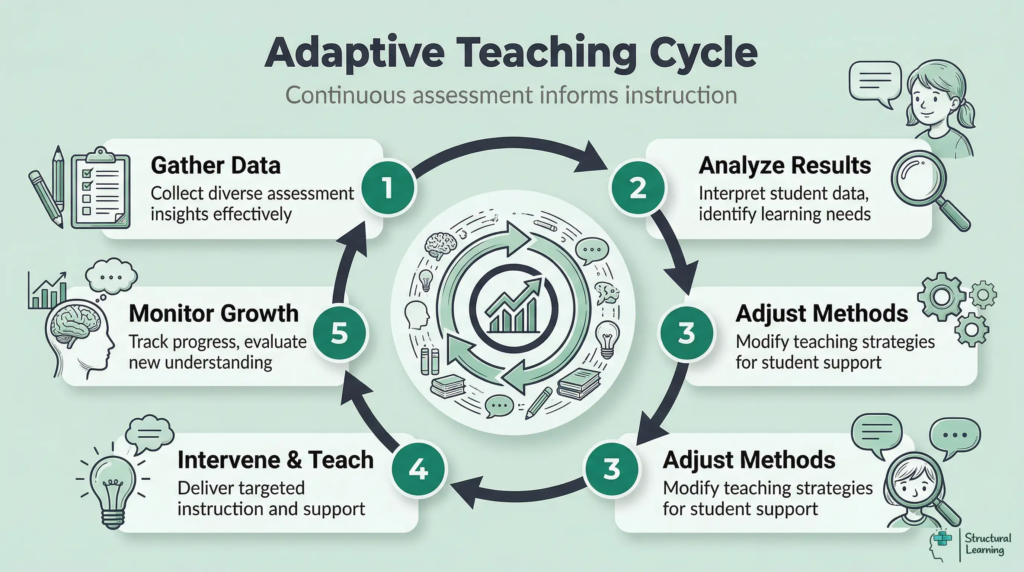
Here’s how students can make the most of them:
1. Set Clear Learning Goals
Students should begin by setting personal academic goals within the platform. These goals help them stay focused and motivated.
For example:
- Improve math skills by 10%
- Complete a reading level benchmark
- Master a specific science topic
Setting goals is the first step toward meaningful academic growth.
2. Engage with Interactive Learning Content
Progress learning platforms offer interactive lessons, quizzes, and activities. Students should actively engage with these resources instead of passively reading content.
This includes:
- Watching instructional videos
- Completing practice exercises
- Participating in gamified learning activities
Active participation improves understanding and retention.
3. Track Student Progress Regularly
One of the most powerful features of any progress learning system is tracking.
Students can:
- View dashboards showing their performance
- Track scores and completion rates
- Identify areas where improvement is needed
By regularly reviewing their progress, students become more aware of their learning journey and take ownership of their academic growth.
4. Use Feedback to Improve Learning Outcomes
Feedback is essential in progress learning. Platforms often provide instant feedback on quizzes and assignments.
Students should:
- Review incorrect answers carefully
- Understand explanations provided
- Reattempt questions when needed
This continuous feedback loop helps students improve learning outcomes effectively.
5. Practice Personalized Learning
Every student learns differently, and platforms support personalized learning by adapting to individual needs.
Students can:
- Focus on weaker subjects
- Skip already mastered topics
- Follow customized learning paths
This ensures that learning is efficient and tailored to each student’s pace.
Benefits of Progress Learning for Students, Teachers, and Schools
Benefits for Students
- Improves academic growth through continuous feedback
- Builds confidence by tracking achievements
- Encourages self-paced learning
- Enhances engagement with interactive tools
Benefits for Teachers
- Provides real-time student progress data
- Helps identify learning gaps quickly
- Supports data-driven instruction
- Reduces manual assessment workload
Benefits for Schools
- Improves overall academic performance
- Enhances accountability and transparency
- Supports curriculum alignment
- Enables better decision-making through data insights
Practical Strategies to Implement Progress Learning
To make progress learning effective, schools and teachers must apply the right strategies.
Use Data-Driven Instruction
Teachers should analyze student data to guide teaching decisions. Platforms provide detailed reports that show where students struggle or excel.
This allows teachers to:
- Adjust lesson plans
- Provide targeted support
- Group students based on ability
Encourage Student Ownership
Students should take responsibility for their own learning.
Encourage them to:
- Monitor their own progress
- Set personal goals
- Reflect on their performance
When students take ownership, their engagement and motivation increase.
Provide Regular Assessments
Frequent assessments help track student progress more accurately.
Examples include:
- Weekly quizzes
- Unit tests
- Formative assessments
These assessments help identify issues early and improve learning outcomes.
Integrate Technology Effectively
Digital platforms should be integrated into daily teaching routines.
Teachers can:
- Assign digital homework
- Use online quizzes in class
- Monitor progress through dashboards
This creates a seamless learning experience.
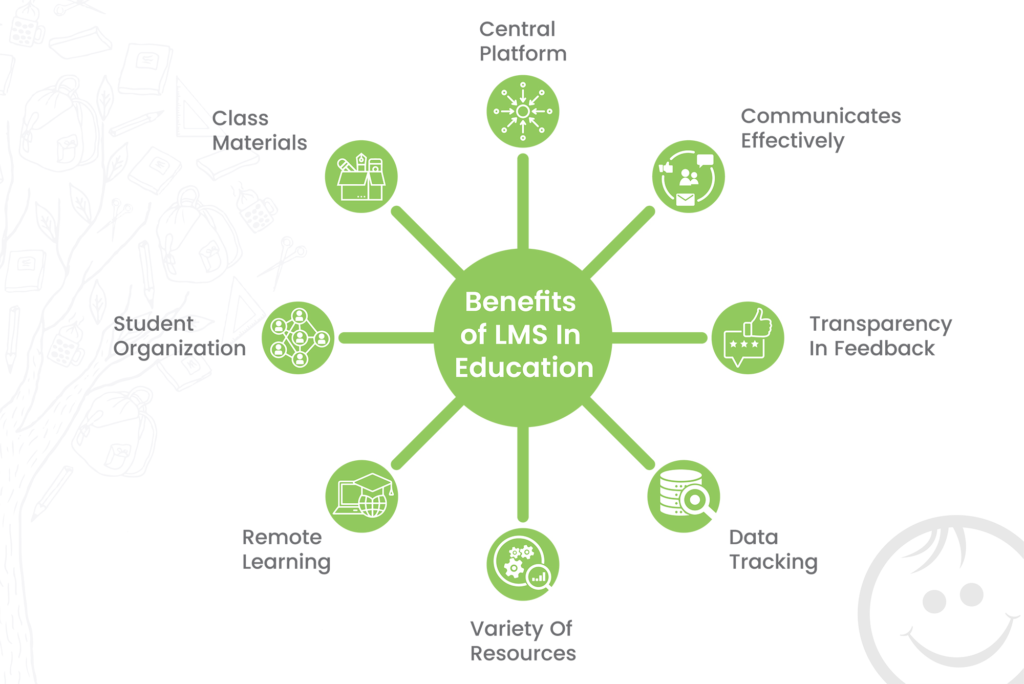
Tools Used in Progress Learning Platforms
Progress learning systems use several tools to track and improve academic growth.
Common tools include:
- Assessment tools – quizzes, tests, and assignments
- Analytics dashboards – visual reports of student progress
- Adaptive learning systems – adjust difficulty based on performance
- Learning management systems (LMS) – organize content and assignments
These tools work together to create a structured and effective learning environment.
Real-World Example: Progress Learning in Action
Let’s look at a simple classroom scenario.
A Grade 5 teacher uses a progress learning platform to track math performance. After assigning a quiz, the platform shows that several students are struggling with fractions.
Instead of moving forward, the teacher:
- Revisits the concept
- Assigns additional practice
- Provides targeted support
Over the next few weeks, student progress improves significantly.
This example shows how progress learning helps teachers make informed decisions and improve learning outcomes in real time.
Common Challenges and How to Overcome Them
While progress learning is powerful, it does come with challenges.
Lack of Student Motivation
Some students may not engage with the platform.
Solution:
Use gamification, rewards, and interactive content to increase motivation.
Limited Access to Technology
Not all students have equal access to devices or internet.
Solution:
Provide offline resources and ensure equitable access within schools.
Data Overload for Teachers
Too much data can be overwhelming.
Solution:
Focus on key metrics and use platform summaries for quick insights.
Resistance to Change
Some educators may resist new systems.
Solution:
Provide training and highlight the benefits of progress learning for academic growth.
Frequently Asked Questions
How students can use platform for progress learning in daily study routines?
Students can use platforms by logging in daily, completing assigned lessons, reviewing feedback, and tracking their performance to improve gradually.
What are the main benefits of progress learning for students?
The main benefits include improved academic growth, better understanding of concepts, personalized learning, and increased motivation.
How does progress learning improve learning outcomes?
It improves learning outcomes by identifying weak areas early, providing targeted practice, and giving continuous feedback to students.
Can progress learning platforms help struggling students?
Yes, these platforms are highly effective for struggling students because they offer adaptive learning, extra practice, and personalized support.
Why is tracking student progress important in progress learning?
Tracking helps students and teachers understand learning gaps, measure improvement, and make informed decisions for better academic growth.
Conclusion
Progress learning is reshaping how students learn and how teachers teach in K-12 classrooms. By understanding how students can use platform for progress learning, learners can take control of their academic journey and improve their skills step by step.
When students actively use platforms to set goals, complete activities, and track their progress, they build stronger study habits and gain confidence. At the same time, teachers benefit from clear insights into student progress, which helps them adjust instruction and support every learner more effectively.
For schools and administrators, progress learning creates a data-driven environment where academic growth can be monitored, measured, and improved continuously. This leads to better learning outcomes, improved performance, and a more personalized education system.
In the end, success with progress learning depends on consistency, engagement, and the right use of digital tools. When students, teachers, and schools work together, progress learning becomes a powerful pathway to academic success.